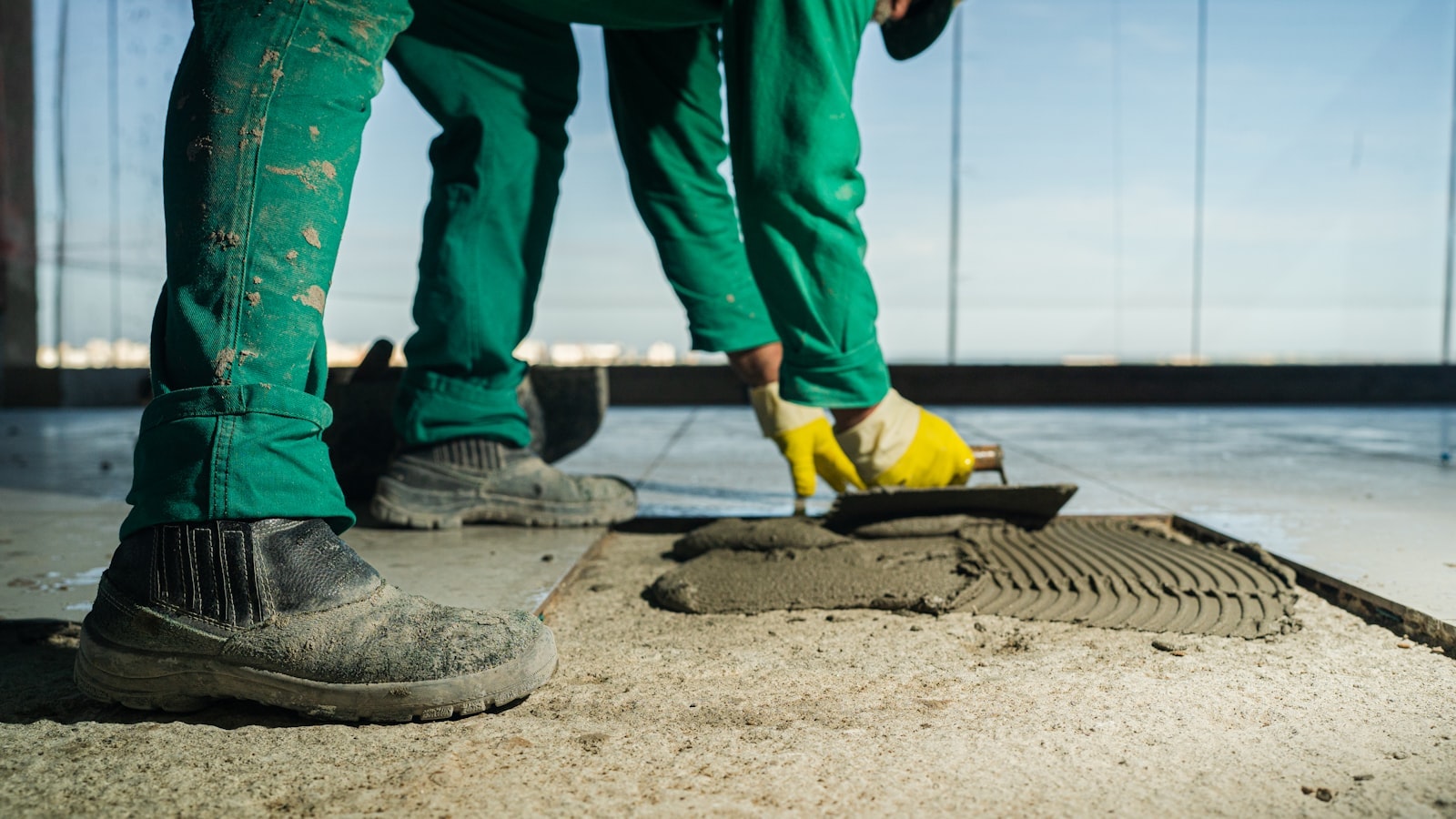
Waterproofing
Get the membrane right and the rest of the bathroom looks after itself. Matched to a specialist who treats waterproofing as its own trade, not a step to rush.
New Zealand wet areas are governed by Building Code Clause E3 (Internal Moisture) and the referenced standard AS/NZS 3740, which sets out where a membrane is required and how it needs to perform. In practice, that means anywhere water regularly hits a floor or wall (the shower, and often the floor around the bath and vanity) needs a continuous, tested membrane underneath the tiles, properly turned up at the walls and sealed at every penetration, like waste outlets and pipe fittings.
The failure points are fairly predictable: the shower hob or threshold, the junction where the floor meets the wall, and anywhere a pipe passes through the membrane. When one of these fails, the signs show up slowly, a soft or springy floor near the shower, discoloured or peeling paint on a ceiling below, a musty smell that doesn't have an obvious source, or grout that keeps cracking no matter how often it's redone. By the time it's visible, there's usually been water getting through for a while.
Homes built before the mid-2000s sometimes used different membrane materials and methods than what's standard now, and older linings in some pre-2000 properties can contain asbestos, which changes how removal needs to be handled. If your bathroom hasn't been touched since it was built, it's worth mentioning the property's age in your enquiry so your matched specialist comes prepared rather than finding out on site.
What's typically included
- Leak detection and moisture testing before quoting the fix
- Removal and replacement of failed or ageing membrane
- Application compliant with NZBC E3 and AS/NZS 3740
- Correct treatment of hobs, floor-wall junctions, and pipe penetrations
- Documentation useful for insurance claims or resale disclosure
- Warranty-backed membrane application
Frequently asked questions
How do I know if my bathroom's waterproofing has failed?
Common signs are a floor that feels soft or springy near the shower, discoloured or bubbling paint on a ceiling below the bathroom, a persistent musty smell, or grout and tiles that keep cracking after being redone. Any one of these is worth getting looked at rather than waiting for it to get worse.
Is waterproofing work covered by warranty?
Providers in the network back their waterproofing work with a warranty, though the term varies by provider and job. Ask for the specific warranty period and what it covers when you get your quote, and get it in writing before work starts.
Does every bathroom renovation legally require new waterproofing?
If the existing membrane is disturbed during the renovation, which is common whenever tiles or fixtures come out, it generally needs to be replaced to meet AS/NZS 3740 rather than patched around. A specialist scoping a full renovation should factor this into the quote as standard, not as an unexpected add-on.
Related
Other services worth a look
Complete Renovations
Full-service bathroom renovations from design through to the last tile, matched to one specialist who runs the whole job.
Learn moreBathroom Makeovers
Cosmetic refreshes: new vanity, tiling, and fittings, without moving plumbing or walls.
Learn moreShower Replacements
Swap a tired or leaking shower for a walk-in, framed, or frameless option, done right the first time.
Learn moreWhere we match
Waterproofing across New Zealand
Ready to get matched with a bathroom specialist?
Two minutes on the form, and your enquiry goes to one vetted local specialist. No call centre, no five-way bidding war.
Get a Free Quote